-
Mon To Sat 10:00 am To 7:00 pm
-
Ayodhya nagar, Nagpur, Maharashtra.
×
Request Sent a Appointment
Speciality
Degenerative Joint Conditions
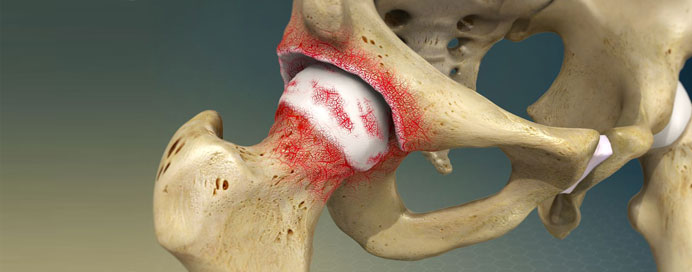
Degenerative joint conditions refer to a group of disorders that cause the gradual breakdown of cartilage, bone, and other joint structures, leading to pain, stiffness, and loss of mobility. These conditions primarily affect weight-bearing joints like the knees, hips, spine, and hands, but can occur in any joint. The most common degenerative joint disease is osteoarthritis, which results from wear and tear over time. Other conditions include degenerative disc disease, avascular necrosis, and post-traumatic arthritis. Factors such as aging, obesity, joint injuries, and genetic predisposition increase the risk of developing these conditions. Treatment focuses on pain management, preserving joint function, and slowing disease progression through medications, physical therapy, lifestyle modifications, and, in severe cases, joint replacement surgery.
Common Degenerative Joint Conditions
Osteoarthritis (OA) – Gradual breakdown of cartilage, leading to joint pain and stiffness.
Degenerative Disc Disease (DDD) – Wear and tear of spinal discs, causing back pain and nerve compression.
Avascular Necrosis (AVN) – Loss of blood supply to the bone, leading to joint collapse.
Post-Traumatic Arthritis – Joint degeneration following an injury or fracture.
Spondylosis – Degeneration of the spine, often affecting the neck and lower back.
Causes and Risk Factors
Aging – Natural wear and tear over time.
Obesity – Increased stress on weight-bearing joints.
Joint Injuries – Previous fractures, ligament tears, or cartilage damage.
Genetics – Family history of joint conditions.
Repetitive Stress – Overuse from physical activity or occupational hazards.
Symptoms
Joint pain and stiffness, especially after inactivity.
Swelling and inflammation around the affected joint.
Reduced range of motion and difficulty with daily activities.
Grinding or clicking sounds due to cartilage breakdown.
Joint deformities in advanced cases.
Diagnosis
Physical examination to assess pain, mobility, and swelling.
X-rays to check for cartilage loss and bone changes.
MRI or CT scans for a detailed view of joint structures.
Blood tests to rule out inflammatory conditions like rheumatoid arthritis.
