-
Mon To Sat 10:00 am To 7:00 pm
-
Ayodhya nagar, Nagpur, Maharashtra.
×
Request Sent a Appointment
Speciality
Shoulder Arthroscopy
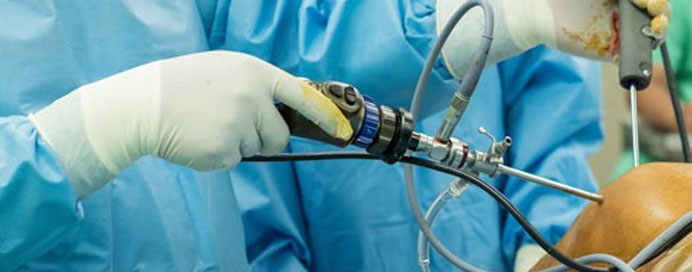
Shoulder arthroscopy is a minimally invasive surgical procedure used to diagnose and treat various shoulder joint conditions. It involves inserting a small camera, called an arthroscope, through tiny incisions to view the inside of the joint on a monitor. This allows the surgeon to repair damaged tissues using specialized instruments. The procedure is commonly performed for rotator cuff tears, shoulder impingement, labral tears, and joint instability. Compared to traditional open surgery, shoulder arthroscopy offers benefits such as less pain, minimal scarring, reduced risk of complications, and a faster recovery. The recovery period varies depending on the condition treated, but most patients regain normal function with proper rehabilitation and physical therapy.
Minimally Invasive: Uses small incisions and a camera for precise treatment.
Common Uses: Treats rotator cuff tears, labral tears, impingement syndrome, and joint instability.
Benefits: Less pain, minimal scarring, lower risk of complications, and quicker recovery.
Recovery Time: Varies based on the procedure, but physical therapy is often needed.
Anesthesia: Can be performed under local, regional, or general anesthesia.
Post-Surgery Care: Includes pain management, rest, and rehabilitation exercises to restore mobility.
