-
Mon To Sat 10:00 am To 7:00 pm
-
Ayodhya nagar, Nagpur, Maharashtra.
×
Request Sent a Appointment
Speciality
Joint Replacement
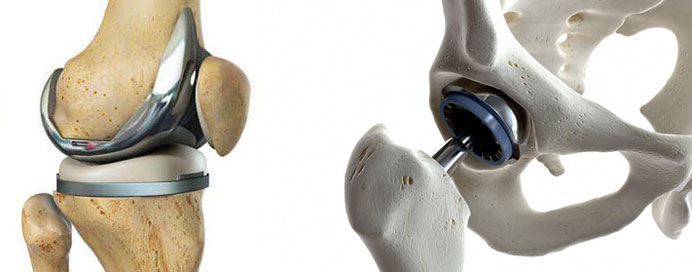
Joint replacement is a surgical procedure in which a damaged or worn-out joint is replaced with an artificial implant (prosthesis) to restore mobility and relieve pain. It is commonly performed for severe arthritis, joint injuries, or degenerative diseases that affect daily activities. The most frequently replaced joints are the hip, knee, shoulder, and elbow, but procedures can also be done on the ankle, wrist, and fingers. Joint replacement surgery can significantly improve quality of life by reducing pain, increasing mobility, and restoring function. Advances in medical technology have led to minimally invasive techniques, robotic-assisted surgeries, and improved implant materials, which enhance recovery and longevity of the prosthesis. Post-surgery rehabilitation and physical therapy are essential for regaining strength and function.
Types of Joint Replacement Surgeries
Total Joint Replacement (Arthroplasty) – Entire joint is replaced with an artificial implant.
Partial Joint Replacement – Only the damaged part of the joint is replaced.
Revision Joint Replacement – Replacement of a previously implanted joint due to wear, infection, or failure.
Minimally Invasive Joint Replacement – Smaller incisions and less tissue damage for faster recovery.
Robotic-Assisted Joint Replacement – Advanced technology for precise implant placement.
Commonly Replaced Joints
Hip Replacement – Used for severe hip arthritis or fractures.
Knee Replacement – Performed for osteoarthritis or knee injuries.
Shoulder Replacement – Done for rotator cuff damage or arthritis.
Elbow Replacement – Used in cases of severe arthritis or trauma.
Ankle, Wrist, and Finger Joint Replacement – Less common but performed for severe joint dysfunction.
Indications for Joint Replacement
Severe arthritis (Osteoarthritis, Rheumatoid arthritis, Post-traumatic arthritis).
Chronic joint pain and stiffness that limit daily activities.
Joint deformity or instability.
Failure of non-surgical treatments like medications and physical therapy.
Procedure Overview
Preoperative Evaluation – Imaging (X-rays, MRI), blood tests, and medical assessment.
Anesthesia – General or regional anesthesia is administered.
Damaged Joint Removal – Diseased cartilage and bone are removed.
Implant Placement – Artificial joint components made of metal, plastic, or ceramic are inserted.
Closure & Recovery – Incision is closed, and post-surgical rehabilitation begins.
Post-Surgical Recovery & Rehabilitation
Physical therapy starts within 24 hours to regain movement.
Walking aids (crutches, walkers) may be needed initially.
Full recovery can take 3-6 months, depending on the joint replaced.
Regular follow-ups to monitor implant function.
Benefits of Joint Replacement
Pain relief and improved mobility.
Restoration of joint function for daily activities.
Long-term durability with modern prosthetic materials.
Enhanced quality of life and ability to return to physical activities.
Prevention & Care After Joint Replacement
Maintain a healthy weight to reduce joint stress.
Engage in low-impact exercises like swimming or cycling.
Follow post-surgical rehabilitation for optimal recovery.
Avoid high-impact activities that may wear out the implant.
