-
Mon To Sat 10:00 am To 7:00 pm
-
Ayodhya nagar, Nagpur, Maharashtra.
×
Request Sent a Appointment
Speciality
Shoulder Joint
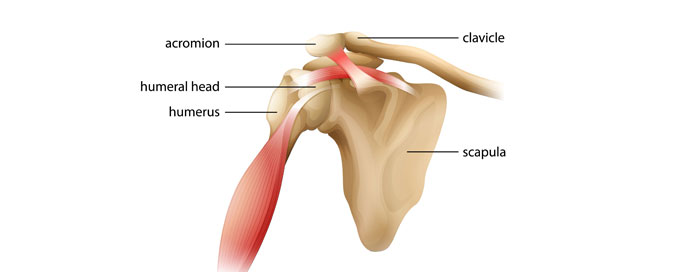
The shoulder joint is one of the most mobile joints in the body, allowing for a wide range of movements in various directions. It is a ball-and-socket joint where the ball-shaped head of the humerus (upper arm bone) fits into the shallow socket of the scapula (shoulder blade), known as the glenoid. This joint's mobility makes it essential for many daily activities, including lifting, reaching, and rotating the arm. The shoulder is stabilized by ligaments, tendons, and the rotator cuff muscles, which help maintain the integrity of the joint and enable smooth motion. However, its high range of motion also makes it prone to injuries like rotator cuff tears, shoulder dislocations, and impingement syndrome.
Anatomy: Composed of three bones – humerus, scapula, and clavicle (collarbone).
Structure: Ball-and-socket joint for multi-directional movement.
Key Stabilizers: Rotator cuff muscles, ligaments, and tendons.
Movement: Enables lifting, rotating, and abduction (moving away from the body).
Common Injuries: Rotator cuff tears, dislocations, impingement syndrome, bursitis.
Function: Essential for a wide range of activities, from overhead movements to lifting and carrying.
Common Conditions: Frozen shoulder, arthritis, tendinitis, bursitis.
